

September 22, 2026
•
9 min read
How to Scale Your Executive Content Engine
Last year, Apollo.io brought us in to scale their C-suite Executive Voice Program across their COO, CMO, CPO and CRO. Learn more about the results
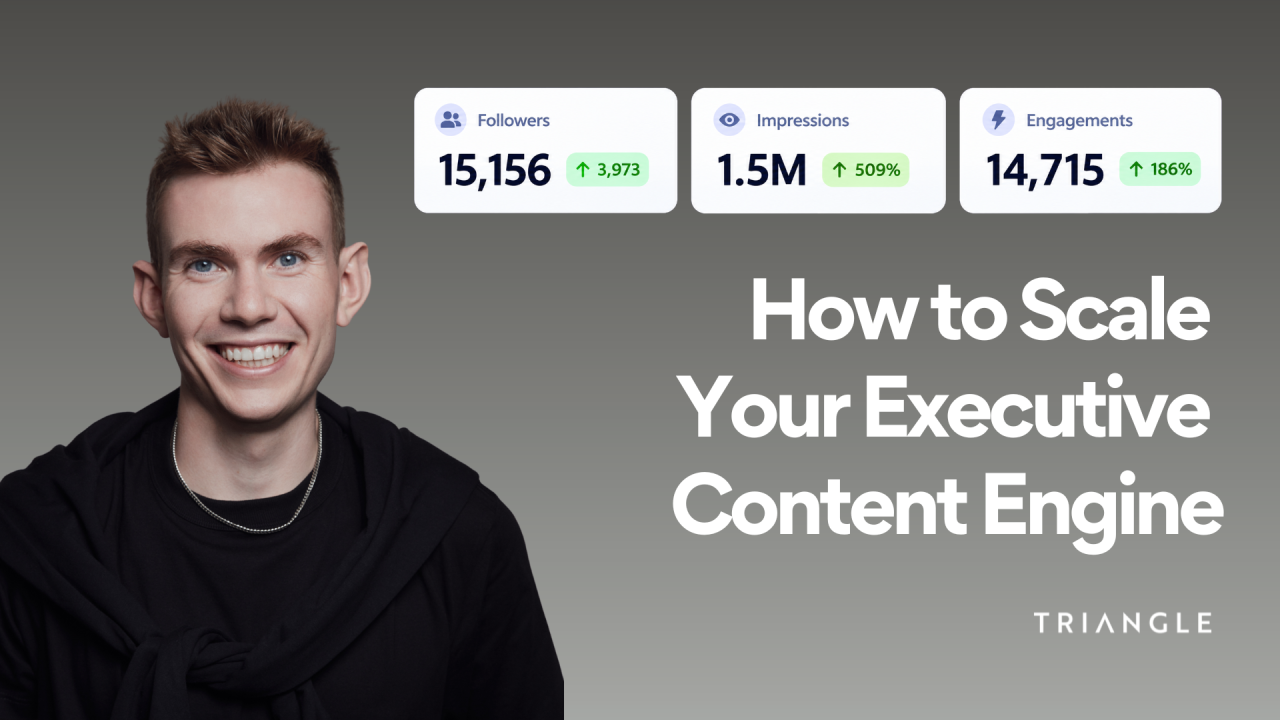
One CEO posting is great. True impact is when you scale your executive team's voices.
Last year, Apollo.io brought us in to scale their C-suite Executive Voice Program across their COO, CMO, CPO and CRO.
The results:
- 1.5 million impressions, up 509%
- 14,715 engagements
- 15,000 new followers
- 320+ content pieces created
They started nervous, most executives do. None had posted consistently before. By the end, they were active, consistent, and comfortable putting their own point of view out there.
One exec's best post alone hit 187,479 impressions. Another hit 74,546, off a single product announcement!
One of the goals was driving signups and interest for ApolloNEXT, their first in-person event during San Francisco Tech Week. The visibility through the Execs channels was key in making the event a success. We flew out to capture content live on the day too.
That’s the kind of momentum you get when the whole leadership team is active, and you’re working with a partner who is truly invested in your business.
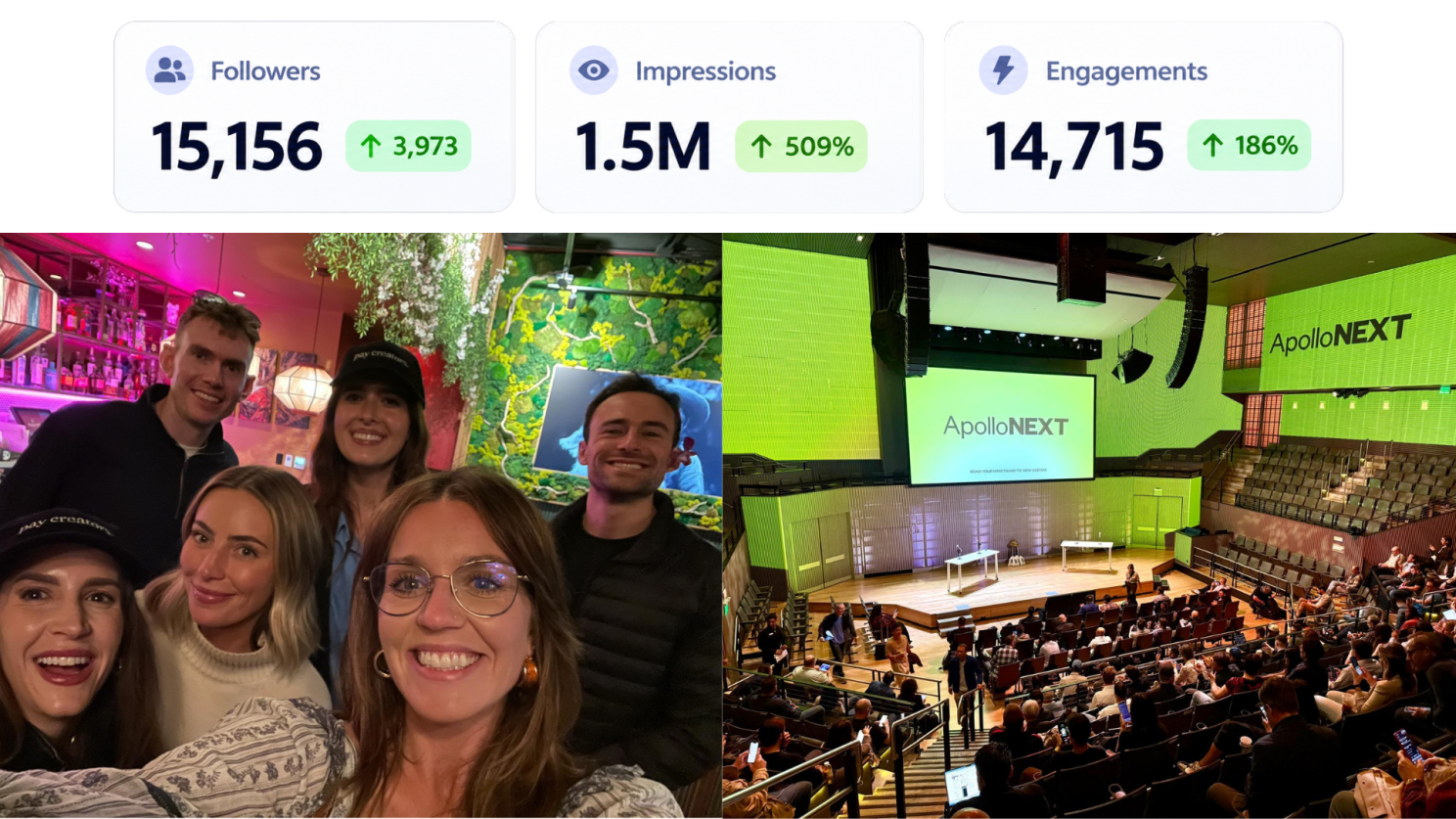
The power of your leadership team posting
The value goes far beyond impressions.
→ Pipeline, hiring, and a shorter sales cycle, all at once.
→ Doors that open indirectly. Speaking invitations, podcast opps, inbound press.
→ Reaching more of the market eg one exec can speak to culture, leadership and vision. Another can be data, tech and numbers-focused.
Also, seniority sells to seniority.
A CMO's content doesn't feel salesy to another CMO the way it might coming from anyone else. They relate to the same challenges, the same journey. They think, "yeah, I get this person," almost without realising they're being sold to.
If you're trying to reach multiple C-suite titles, having those same titles on your own team is worth more than any amount of paid targeting.
Important: Balance individual points of view with cohesive company branding. Each exec needs their own distinct voice, but it should still feel like one joined-up brand underneath, not several people going off and doing their own thing.
How to get executive buy-in
This can't be marketing's idea alone.
Execs have to be invested and excited about the program, not just aware it's happening.
Without the direct input of each exec, content has no real impact, inputs dry up and reviews slip.
These 3 things make the difference in getting your execs brought in:
1) Align. Map out exactly what the plan is, how it ties to their own goals, and what the workflow will look like, before anything starts. Do this properly and executives aren't just on board, they're excited about it.
2) Set expectations. Be upfront about the time commitment per exec, early. Without that clarity, review times slip and they end up becoming a bottleneck.
3) Tie back to their individual goal. Show them how this moves something they already care about, not a marketing metric they've never thought about before.
The best way to start is with a workshop. The barrier usually isn't a lack of frameworks; it's imposter syndrome and the unknown.
A few other pointers:
- Find one competitor or peer exec who's already winning on LinkedIn, it creates urgency.
- Find one internal exec willing to go first and become the champion, the case study the rest of the team sees proof from.
Get people excited and confident first, then give them the frameworks to start posting.
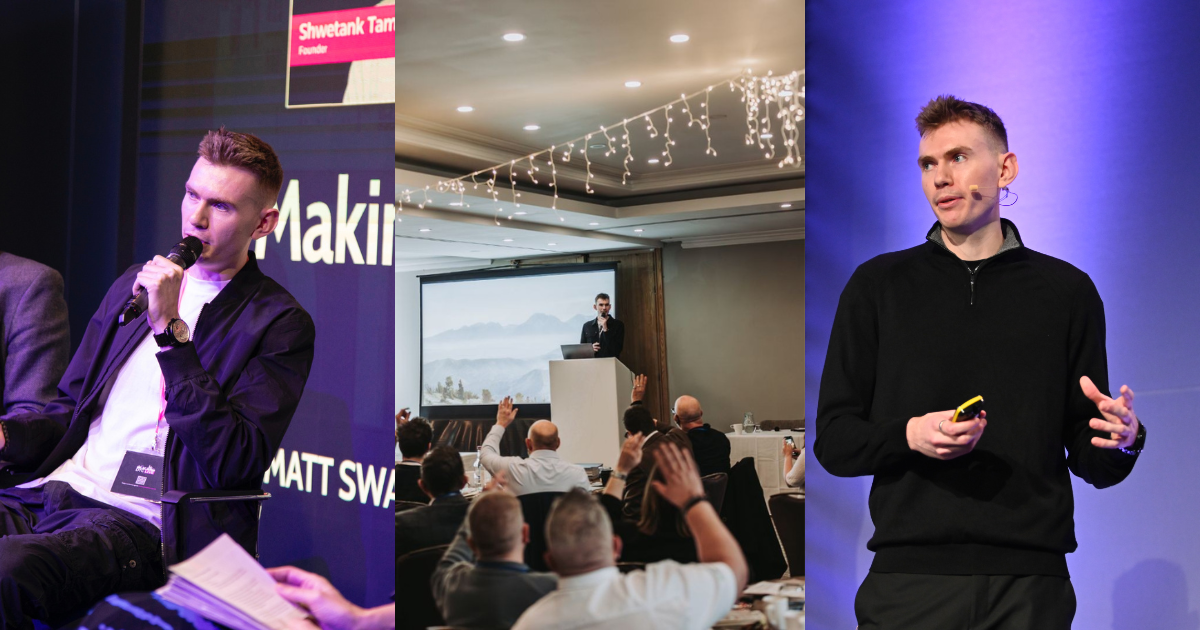
How to activate your executives on LinkedIn
The basics are the same as getting a CEO started: find their voice, pull from what they already say, build the habit.
You need to build a streamlined content engine around them. So you need a system that has to capture their voice once and run without ongoing effort. Our process runs on about 90 minutes a month, per exec, an hour for the content input session, plus 30 mins for review time.
Key pointers:
- Agree boundaries upfront. Get clear on topics they’re comfortable discussing, what stays confidential and anything requiring extra approval.
- Keep approvals simple. Give each executive final say on their content, with a clear deadline. Avoid turning every post into a committee decision as this dilutes the content.
- Coordinate across the team. For major announcements or industry moments, decide who brings which angle. Give people several reasons to pay attention, rather than the same message from every executive.
- Plan for the conversation after publishing. Decide who handles comments, spots relevant DMs and follows up on opportunities. Posting is only the start.
Best practices
Go deep enough to actually sound like them, not a summary of them. Every writer working across a multi-exec program needs to get close enough to each person's expertise that the content could only have come from them.
Keep every voice separate. Line up content across a whole client roster and you shouldn't be able to tell it came from the same agency, let alone the same person. Apply that same bar within one programme. Four execs should read like four different people, not four templates with different names on top.
Let the data do some of the writing. Track what's actually landing, who's engaging, which formats are working, and feed that straight back into what gets written next. Content decisions backed by real performance data beat guesswork every time.
Do's and don'ts for a multi-exec program
Dos:
✓ Do match execs to different ICPs. An SDR leader listens to another SDR leader. A CMO listens to another CMO. Spread your execs across the titles you're actually trying to reach.
✓ Do make sure the content comes from what the exec actually knows and has lived through, not a rewritten version of what marketing wants said.
✓ Do keep a consistent cadence behind the scenes, weekly or every two weeks, even if the exec's own input stays to that same 90 minutes a month. Consistency is what keeps content going out reliably, without adding to their time.
Don'ts:
✗ Don't let it sound like marketing wrote it. The moment content reads like a sales pitch, it stops working.
✗ Don't assume execs will post on their own. Left alone, most won't, not because they don't believe in it, but because it's never the most urgent thing on their desk.
✗ Don't treat it as a side project. If the wider business doesn't back it as a real priority, it never gets the time or input it needs.
Execs can be your most valuable growth channel.
But only if they're bought in up-front.
Wondering how to get your CEO posting before you scale this to a whole team? Start here: How to Get Your CEO Active on LinkedIn.
We've worked with 70+ B2B leaders driving 100M+ impressions and $10M+ in attributable pipeline — NYSE-listed companies, Series D B2B SaaS at $150M ARR, and Series A & B scale-ups. If you're looking to build out or scale up your exec programme, I'm always happy to share what we've learned and chat through a few ideas — drop me a message.
Ready to Take Your Business to the Next Level With Triangle?
If you’re looking to generate millions of eyeballs on your business with your ideal audience, and book conversations with dream senior decision-makers — book a Strategy Consultation.

New York
Los Angeles
London

Founded by
Matt Swain
hello@triangle-branding.com